
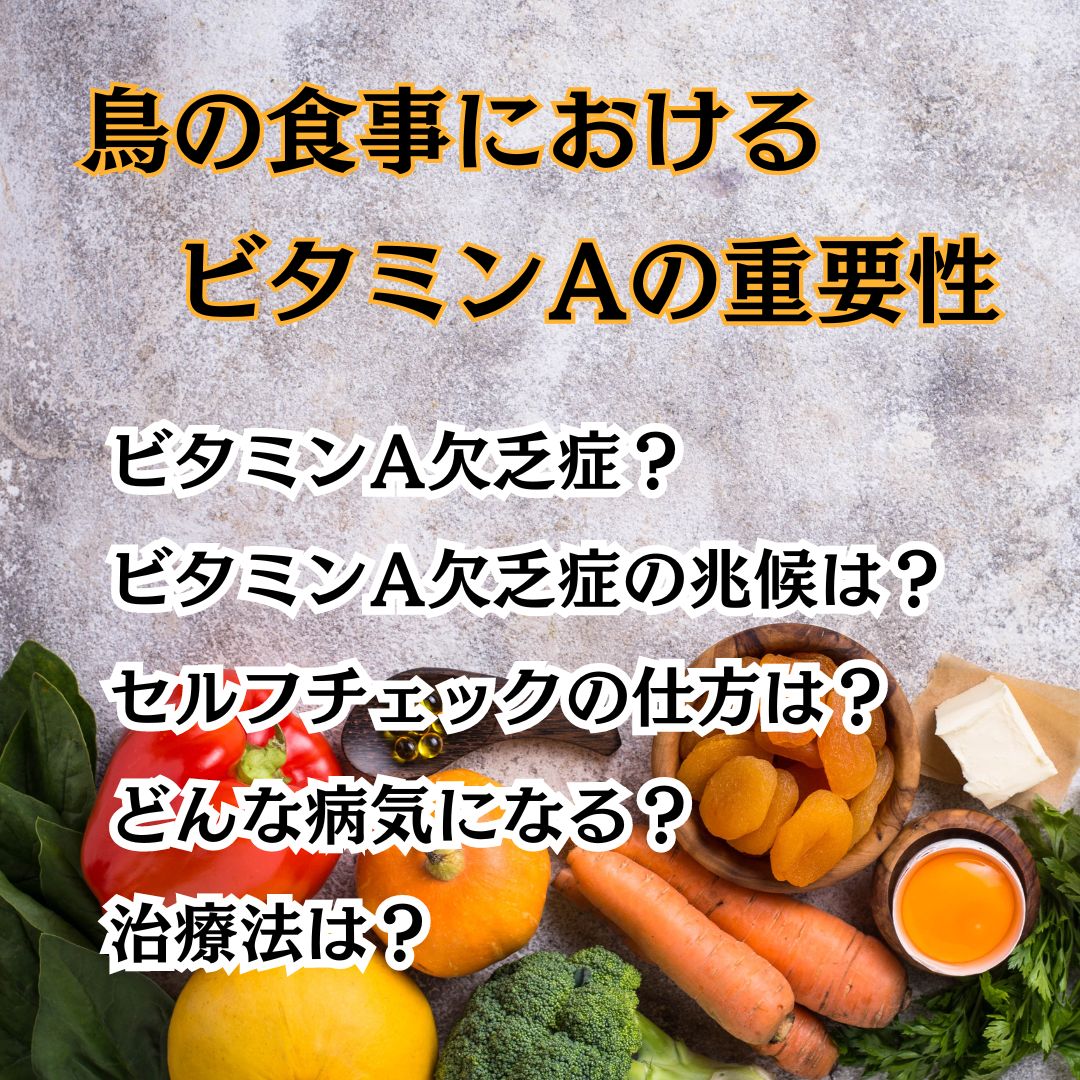
This blog covers the following topics:
- The importance of health and nutrition in birds
- Risks of seed-based diets and vitamin A deficiency
- The role of vitamin A and foods rich in this nutrient
- Why vitamin A is essential for birds
- Health problems caused by vitamin A deficiency
- Common signs of hypovitaminosis A
- Warning signs to check before visiting a veterinarian
- Treatment options for vitamin A deficiency
- The importance of proper diet and vitamin balance
- Thoughts from the PEGO staff and recommended foods
To protect a bird’s health, the nutrients, minerals, and vitamins included in its daily diet play a critical role. While attentive care and affection are essential, a nutritionally balanced diet is deeply connected to disease prevention and the maintenance of a strong immune system.
One of the most important concerns is the risk associated with seed-only diets. Although seeds are high in fat, they are extremely deficient in vitamins, particularly vitamin A. Adding vegetables can help compensate to some extent, but birds kept in captivity are far less active than wild birds. As a result, excess fat is easily stored in the body, which can ultimately lead to serious health problems. For this reason, we do not recommend the routine use of synthetic vitamin supplements. Even when following manufacturer-recommended feeding amounts, requirements vary by species, and there is a real risk of over-supplementation.
In addition, avian veterinarians in the United States have recently noted an increase in vitamin A deficiency even among birds fed pellet-only diets.
Vitamin A is a critically important nutrient for maintaining avian health. It has antioxidant properties and plays a key role in growth and tissue repair, vision and hearing, and the health of bones and mucous membranes. Diets centered on seeds are especially likely to result in severe vitamin A deficiency, which can weaken the immune system and increase susceptibility to infections.
Unfortunately, most seeds contain little to no vitamin A. For this reason, it is essential to regularly include vitamin A–rich foods such as carrots, sea vegetables, sweet potatoes, mangoes, and other colorful fruits and vegetables in a bird’s daily diet.
Please note that the members-only site is currently available in Japanese only. If we receive more requests from international readers, we plan to offer the content in multiple languages in the future. We would greatly appreciate it if you could share our store with others who may be interested.
Instagram @pego_petgohan
